When a household calls me after a shock apprehension, their very first inquiries often come down on expense. Just how much to obtain him out tonight? Do we ever before get that money back? The solutions feel slippery in the minute because the system mixes court rules with private agreements, and the vocabulary can be deceptive. You do not buy flexibility the means you buy a home appliance. You pay for a service that lugs threat, conditions, and a charge structure that is not intuitive if you have never ever been inside a jail entrance hall at midnight.
This overview unloads just how bail bond premiums work, what is refundable, and where individuals trip up. I will certainly also touch on useful techniques that make a real difference in what you pay and whether you see any type of funds again.
What the costs actually covers
An industrial bail bond is a contract. The accredited representative warranties to the court that the offender will certainly show up. The court sets a bond quantity, state 50,000 bucks. You typically do not hand the court 50,000. Rather, you hire a bail bonds agent that posts a surety bond for the full amount. In exchange, you pay a premium, usually 10 percent of the bail in lots of states, occasionally 8 percent, occasionally 15, based on state regulations. Some states, like Illinois, have gotten rid of money bond completely under current reforms. Others restrict or supervise commercial bond snugly. Constantly examine the guidelines in your territory or ask the booking desk clerk for the state schedule.
The premium is the representative's cost for handling the threat that the offender avoids court and for offering immediate liquidity when you can not publish the sum total. That fee compensates the representative for underwriting risk, management work, publishing and surrender logistics, and the expense of capital tied up in bond lines. It is not a down payment. It is not a car loan deposit. It is a nonrefundable service fee in mostly all jurisdictions, even if the instance later on gets dismissed or the accused is acquitted on all counts.
People bristle at that, and I understand why. If you pay a plumbing and the leakage is gone, you recognize the work. With bail, the work is unseen as soon as your liked one walks out the door. Yet behind the scenes, the representative's license, guaranty partnership, security monitoring, and appearance tracking system stand between the court and a default. That risk profile, not the end result of the criminal case, is what the costs buys.
The 2 tracks of bail money: court versus bond company
Confusion becomes actual money losses when family members mix up court-held funds with the bond business's costs. They are different rails.
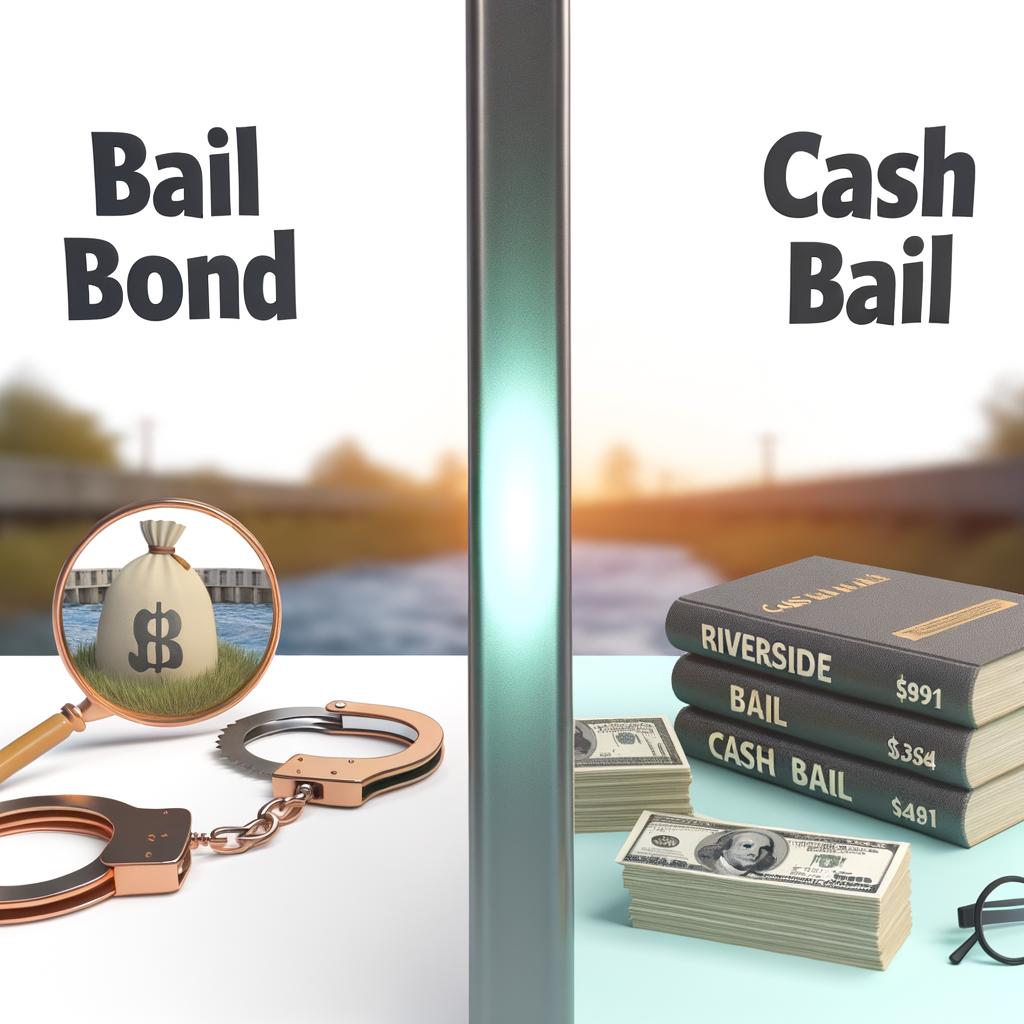
If you post the entire bond amount directly with the court in cash money or via a safeguarded instrument, that is a cash bond. The court holds it until the instance ends, after that returns it minus compulsory fees, penalties, or restitution if the defendant made every look and complied. You do not pay a costs to an agent in that situation since you did not utilize a business bond.
If you make use of a business bail bond, you pay the agent a premium and generally some administrative charges. You may additionally put up collateral to secure the representative's risk. The court receives the bond, not your cash. When the instance finishes, the court exonerates the bond and launches the agent from obligation. That launch does not cause a costs reimbursement. It finishes the agent's direct exposure and allows launch of your collateral, thinking there are no impressive charges or breach costs.
Think of it as 2 various concerns. Did the court obtain its warranty back undamaged? If indeed, the agent is done and security returns. Did you pay a service charge to the agent to arrange that guarantee? Yes, and that cost does not boomerang back with the court's exoneration.
What regulates the premium rate
Premium prices are set by state law or by the surety firms that back local representatives, subject to regulative approval. In many places, the rate is level by law, often 10 percent. In others, the price is a filed schedule, and agents can not damage it without unique authority. The price sometimes includes or excludes specific fees, such as a filing fee or a prison shipment charge. A twelve o'clock at night bond in a remote area might carry greater attachments than a daytime bond in a city prison since an agent must pay personnel to drive, file, and wait on approvals.
Discounts are delicate. Some states enable decreased portions for certain groups, such as unions, experts, or retained advice customers. Others ban any kind of discounting in all. I have seen police officers at consumption counters caution family members that a priced quote 5 percent costs is unlawful in that region, and they are normally ideal. If a quote seems also low, ask the agent to show the submitted price consent, not simply a calling card boast.
Payment terms are negotiable more often than the rate. Representatives may accept a partial premium up front with a layaway plan for the equilibrium. They may bill interest on overdue balances, and those finance terms should be in composing. I have seen individuals pay two times due to the fact that a spoken promise evaporated after the thrill to get a loved one out.
When security enters into play
Collateral is different from the costs. It protects the bond in situation of default. The form differs: money, a vehicle title, a lien versus a home, or a credit card hold. Collateral commonly equates to a percent of the bail quantity or a blanket safety passion depending upon the danger the representative perceives. A defendant with a secure work, regional family members, and no prior failings to appear could walk on a trademark bond with marginal collateral. An accused with an out-of-state address, weak ties, or a background of missed out on court days will certainly activate stricter requirements.
Collateral comes to be refundable after the bond is exonerated and all costs are paid. Reimbursement timing usually runs 7 to thirty day, depending on the representative's interior process and the region's paperwork. If a lorry title was held, you obtain it back. If a lien was recorded, the representative submits a release. If cash was held, the agent concerns a check. Sometimes, a third-party surety processes the reimbursement, which adds days. This is one of those minutes where a receipt and a clean contract save headaches. People lose track of who holds what when stress and anxiety is high at 2 a.m.
Why almost nobody obtains a costs refund
The tough reality: costs refunds are rare. In most states, the premium ends up being earned when the representative articles the bond or when the offender is released, depending on the agreement language. Even if the prosecutor goes down charges a week later on, the costs continues to be made since the representative performed the gotten service. The only usual reimbursement situations I have seen fall under slim lanes.
First, if the agent never ever publishes the bond and you paid beforehand, you are qualified to your cash back. That is not a premium refund so much as a reversal because the solution was not made. Second, if the contract consists of a specific cooling-off or termination condition that conditions the costs on the offender really being released, you might see a reimbursement if the jail declines the bond for a clerical reason and the representative can not heal it. Third, in rare instances where the representative materially misstated terms, a regulatory authority or court could order restitution. Bench for that is high and involves a problem process.
Families often believe that timely surrender shortens the direct exposure and should cause a partial refund. That is not just how the contracts review. Early surrender might reduce examination or recuperation fees if an avoid is resolved quickly. It does not transform the costs right into a prorated subscription with money back for unused months.
What happens if the defendant misses out on court
A failure to show up adjustments whatever. The court provides a bench warrant, and the bond enters forfeit process. The agent now faces liability for the full bond amount unless the accused is produced or the court sets aside forfeiture. Representatives will act quickly. They might get in touch with the indemnitors, send out a recuperation agent, or ask you to assist convince the offender to surrender.

Costs mount in this phase. Agreements frequently permit agents to charge recovery charges, travel, security, and also attorney costs if they have to litigate the forfeit. I have seen families shocked by a line-item for 1,800 dollars in skip-tracing costs after a defendant disappeared for 2 weeks and turned up in a relative's garage. These quantities are enforceable if the agreement reveals them and the charges are sensibly linked to reduction. Courts can scrutinize cushioned bills, yet many fees that reflect actual initiatives to stay clear of paying the complete bond are upheld.
If the offender go back to court quickly, especially within the moratorium set by the state, the court might vacate the forfeiture and reinstate or exonerate the bond. Because case, security can be released when costs are paid. The costs still remains with the representative. If the loss sticks and the representative pays the court, you and any kind of co-signers are on the hook under the indemnity arrangement for the quantity the agent paid, plus costs, up to the collateral worth and beyond if the contract permits personal obligation. Individuals sign these indemnity forms in a rush and later discover they place their home in danger. Slow down and ask the agent to walk through the stipulation that regulates loss liability.
State variants that matter
Bail is local. California caps premiums at 10 percent by statute, with some adaptability for funding. New york city got rid of most commercial Bail Bonds use in most cases with reforms that guide towards launch without money problems. Kentucky and Oregon, historically, do not allow commercial bond in all, making use of a down payment with the court system instead. New Jersey transferred to risk-based apprehension with minimal reliance on money bond. Illinois currently runs without cash bail after the Pretrial Justness Act, making commercial bonds largely obsolete there.
These reforms impact whether a premium discussion even happens. In a risk-based design, you either get launched under conditions or restrained after a hearing without a cost to work out. In states still utilizing business bond, regulatory authorities might impose rigorous costs timetables and call for disclosure kinds that outlined nonrefundable charges in strong print. Agents who deviate can lose their license. If you hear two vastly different quotes for the same area, call the state insurance policy department's consumer line. They will certainly inform you the lawful costs array for that jurisdiction.
Add-on costs and what to challenge
Premiums attract focus, however attachments make the costs swell. Usual fees include an application charge, notary charge, prison filing charge, bank card processing charge, and a cost for digital monitoring if the representative collaborates a general practitioner gadget. Some agreements include a termination fee if the indemnitor backs out after documentation begins however prior to uploading. Others consist of a late-payment fee if you fund the premium and miss out on an installment.
Reasonable costs make up real job. The warnings are obscure tags that do not connect to a solution, duplication of the same charge under different names, or float charges that punish you for court hold-ups the representative controls. If a fee reads "reinstatement" but the bond was never revoked, ask for the docket entrance that activated the fee. If a handling cost equates to 5 percent of the costs, ask whether paying cash removes it. Bank card firms generally bill the vendor in between 2 and 4 percent of the deal quantity. Some agents pass that with, others eat it as an expense of operating. None of this is mysterious once you push for specifics. Good representatives do incline explaining their invoice.
How to maintain even more money in your pocket
Triage starts with info. The reservation desk will frequently tell you the bail quantity and the cost level within an hour. If the arrest is late on a weekend break, an arraignment might be the following business day, which can change the bail or get rid of the need for a bond completely. I have seen households pay a costs at 3 a.m., only to learn at 9 a.m. that the court released the defendant by themselves recognizance. If an arraignment is imminent and the offender is all right waiting, take into consideration holding off unless there is a pressing factor to obtain them out promptly, such as clinical requirements or child care obligations.
If you do seek a bond, accumulate and compare three quotes, not simply the costs percentage. Request for a full cost checklist, the repayment routine, and security terms. Confirm the representative's license. Confirm whether the costs ends up being gained on publishing or on launch and whether there is any type of situation where a refund would certainly be provided. If the accused has counsel, ask the legal representative whether a bond decrease motion is likely within 24 to 48 hours. A minimized bond can imply a lower costs if you wait, though it also indicates even more time in custody.
When collateral is on the line, record the chain. Take pictures of lorry titles, get a collateral invoice that specifies the return problems, and videotape the representative's office address and declares department. If a lien is positioned, demand the payoff and launch procedure in creating. You desire no obscurity when the instance closes.
Finally, do everything feasible to stay clear of a failure to show up. Put every court date in 3 calendars. Establish message reminders. Arrange transportation the night before. If the offender falls sick or hits an authentic emergency, call the lawyer and the representative right away. Judges are much more forgiving when the problem is elevated proactively. Agents and courts deal with flimsy justifications all the time. Genuine concerns, presented with documentation, get better treatment.
When to publish money with the court rather than using a bond
If you https://kameronlaqi844.lucialpiazzale.com/bail-bonds-and-mental-wellness-considerations have the complete bail amount available without jeopardizing lease, payroll, or financial savings that protect your family, money bond can be the less costly path. You prevent the premium and obtain the majority of the money back at the end, minus court charges or penalties. That refund can be slow-moving. Courts frequently refine returns a number of weeks after case closure. If the offender is founded guilty and owes fines or restitution, the court will frequently subtract those from the bond deposit. You can also designate the refund to go to someone other than the defendant when you publish, which is smart if you installed the money and do not desire it ingested by unconnected debts.
The trade-off is liquidity threat. A 50,000 money deposit ties up cash you could need if the instance drags on for months. It additionally carries a procedural threat. If the accused misses out on court, also accidentally, you can lose part or every one of the deposit until the court is completely satisfied. When people can not afford to take that threat, a bond spreads it to a Bail Bonds agent for a price.
The unusual edge cases
A few circumstances sit at the margins and be worthy of reference due to the fact that they can modify who pays what and when.
Administrative mistakes: If the prison misrecords an instance number or the court turns down a bond for a documentation blunder, the representative must repair it without billing you twice. If the offender sits an additional day since two firms failed to align their systems, a reasonable representative will forgo add-on charges connected to the hold-up. You will not obtain a costs refund if the bond eventually blog posts and the defendant is released, yet you should not pay for the system's stumble.
New fees while out on bond: If the offender is jailed once again, the existing bond may be withdrawed or the court may establish additional bail. Agents will reassess risk. Some will call for raised security or a brand-new costs. Contracts often allow this. If you expect turbulence, press your legal representative to consolidate hearings swiftly to prevent piling premiums.
Immigration detainers: If Immigration and Customs Enforcement positions a detainer, the accused may not be launched also if the state bond blog posts. In some regions, the prison will decline a bond if a detainer is energetic. In others, the offender is transferred promptly. The remedy depends on coordination in between the criminal case and the migration situation. Before you pay a costs, ask the representative to look for any kind of detainer. A sincere representative will run the question and inform you whether publishing is futile. If the bond can not be posted as a result of a detainer the representative found out about or ought to have inspected, you should not be out the premium.
Out-of-state warrants: A local apprehension on an out-of-state warrant can trigger a fugitive hold. In that pose, publishing a local bond could not result in launch. The obtaining state determines whether to extradite. Premiums published on a situation that can not result in launch are ripe for disagreement. Get clear solutions prior to you hand over funds.
What a straight-talking agreement looks like
A clear bond contract typically fits on two or three web pages, with the indemnity arrangement connected. The costs price is listed, the total buck quantity is computed, and the refund plan is plain. It states the conditions that transform security right into the representative's building and the timeline for return upon exoneration. It lists recoverable prices if there is a miss and determines controling law and a venue for conflicts. It consists of the representative's certificate number and the guaranty firm's name.
Avoid any arrangement that leaves blanks or utilizes jargon without interpretations. If the agent slides you a carbon duplicate with pale terms, request for an entered version or take a picture and zoom in. The five mins you spend reviewing currently can conserve months of arguing later.
A reasonable path through the initial 48 hours
The first two days are where the biggest cash choices take place. The stress to act fast is actual. Speed matters if the jail is crowded, if the accused needs drug, or if the charges lug very early consequences at the office. Speed likewise invites mistakes.
Start with the charge and bond info from the prison. Call a legal representative if you can. Several defense attorneys will certainly chat for 10 minutes at no charge, particularly in smaller sized territories. Ask whether an accusation is arranged within 24 hours. If of course, ask the likely range for bail after that hearing offered the accused's record and connections. If the most likely outcome is launch or a lower bond, and the accused can abide the delay, hold your cash.
If time is important, choose a representative with strong regional experience, not simply the most affordable premium. A veteran representative usually relocates quicker via paperwork and knows the jail clerk that in fact refines bonds in the evening. That practical efficiency can mean hours shaved off release time. It will certainly not change the reimbursement guidelines, yet it can get your individual home by breakfast instead of dinner.
Once the bond articles, change emphasis to conformity. The fastest way to shed money is a missed court day. Set tips, confirm the next look with both the representative and the court, and keep a folder with all receipts. If the situation ends well, you will certainly want clean paperwork to obtain collateral without delay. If it deviates, you will certainly want the agreement helpful when reviewing costs.
A fast recap without the legalese
Premiums spend for a service, not a down payment. They are often nonrefundable. Collateral is protection, not a charge, and it should return after the bond is vindicated if you have fulfilled all problems. Cash bond with the court may save money if you can manage the tie-up and the threat. State rules vary, and reforms have diminished the function of business bonds in some locations. The smartest actions are simple ones: validate the premium price, obtain every cost in writing, look for detainers, and maintain the accused on time for every single hearing.
Below is a brief checklist you can use when the phone rings late and the clock starts:
- Confirm the fee, bond quantity, and next court time with the jail. Call 2 or three licensed representatives, request for the complete cost in writing, and validate the lawful costs rate for your state. Ask about collateral, refund conditions if posting fails, and timing for collateral return after exoneration. Check for immigration detainers or out-of-state holds that could block release. Decide whether to wait on arraignment if it looms and a lower bond or own-recognizance launch is likely.
The bond world blends legislation, financing, and human unpredictability. When you understand which repayments are charges and which are deposits, and when you treat the agreement like the significant instrument it is, you keep control of your money and reduce unsightly surprises. That clearness does not make the evening behind bars less complicated, but it can make the weeks that comply with much less expensive.